Oct 15, 2026 | 2026, cowgirls with cameras, education, equine, equine photography, equine welfare, ethical, ethical photography, horse photography, horses, Photography, Ranch Photography, tips, welfare, Western, Western Horses, western photographer, Western Photography |
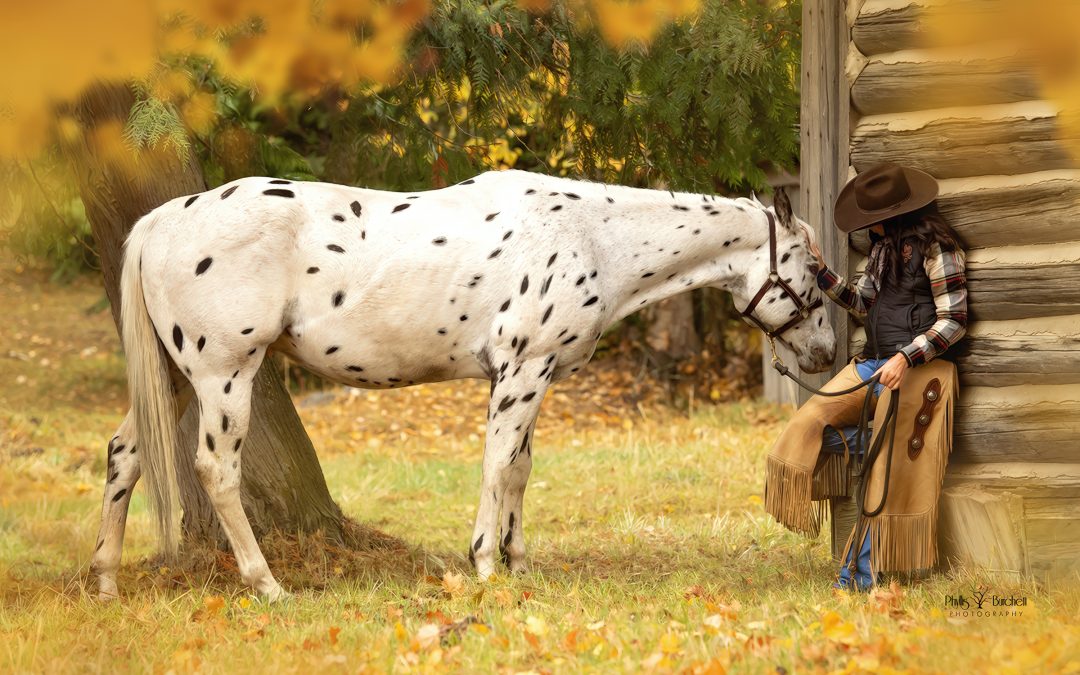
Equine Photography: More Than a Pretty Picture
As equine photographers, we have a responsibility that goes beyond making a beautiful photograph. We’re telling stories about horses, the people who work with them, and the traditions surrounding them. Whether we realize it or not, the images we put out into the world shape how others see it all.
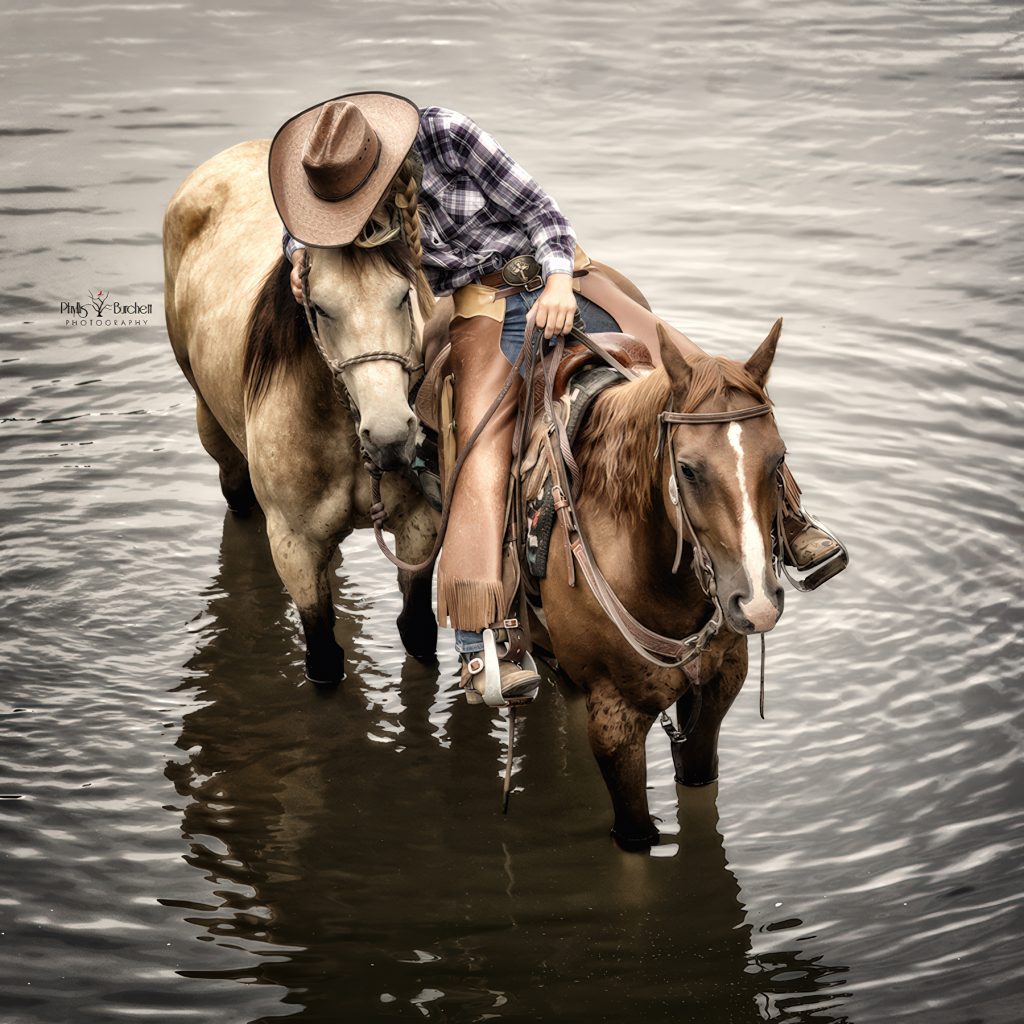
I’ve always believed that the story is the most important ingredient in a photograph. But part of telling that story well is making sure we’re paying attention to what is happening in front of our camera.
Pay attention to the horse, not just the photograph.
Whether you’re photographing a portrait session, a working ranch, or a horse and rider in motion, the horse’s comfort should always matter more than getting the shot.
Horses communicate with us all the time. We just have to pay attention. Pinned ears, a raised head, repeated attempts to move away, a swishing tail, or a generally tense posture can signal that something isn’t right. Of course, no single behavior tells the whole story. Horses communicate in different ways, and context matters. But when something seems off, it’s worth stopping to find out why.
Is the tack fitting properly? Is the horse being asked to hold an uncomfortable position? Has the session gone on too long? Is the horse overwhelmed by the environment, the equipment, or the activity?
Sometimes the best thing we can do as photographers is put the camera down for a minute.
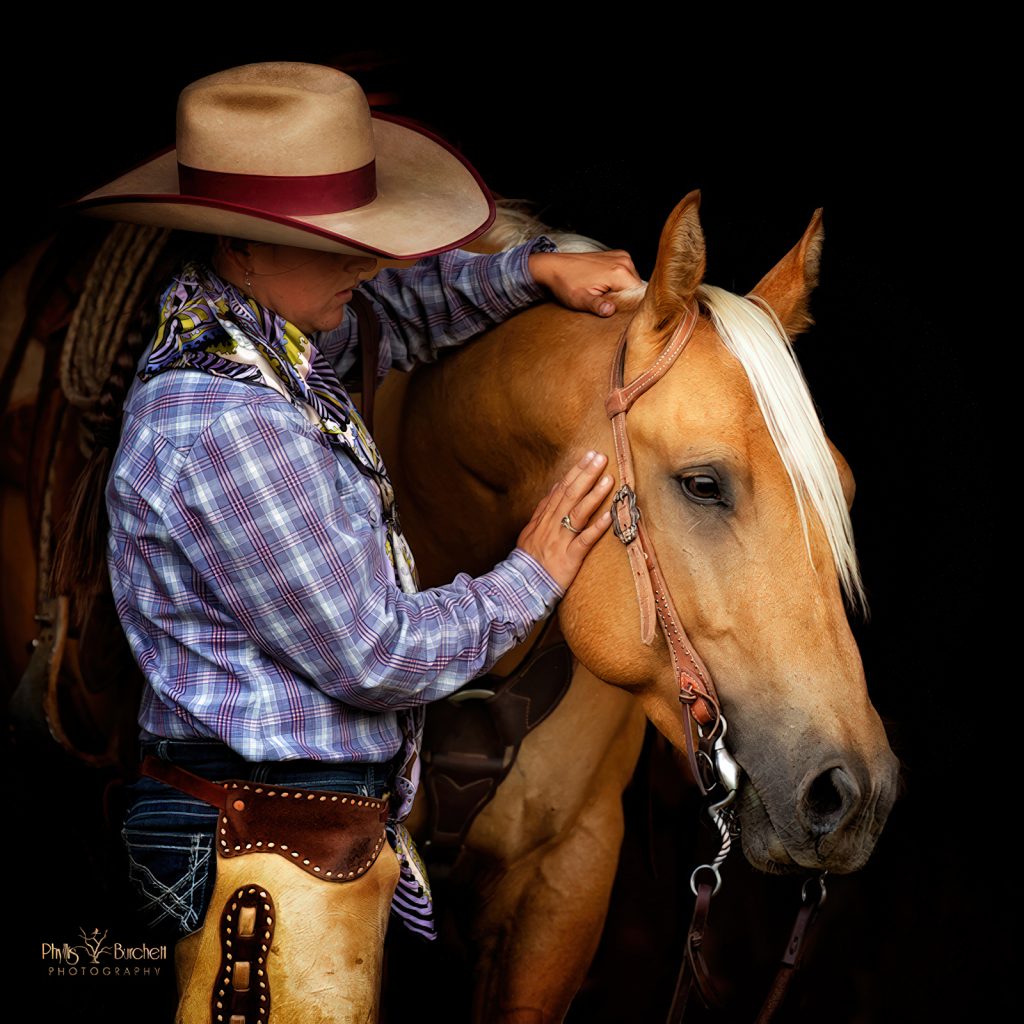
And here’s something else to consider: just because we captured a moment doesn’t mean we should publish it.
A photograph can be technically beautiful, with perfect light and wonderful composition, yet still shows a horse in distress or discomfort. When that image is shared publicly, viewers may not know the circumstances behind it. They may not know whether the horse was uncomfortable for a moment, whether the situation was corrected, or whether the handler recognized the problem.
They see the photograph, and they form an opinion.
That opinion may extend beyond the photographer or the individual session. It can influence how people view horse owners, trainers, riders, breeders, photographers, and the equine industry as a whole.
This doesn’t mean every photograph of a horse with pinned ears or a raised head proves mistreatment. Context matters, and horses are living animals, not props that will always look perfectly composed. But when we recognize clear signs of distress, we need to think carefully about whether that image deserves a place in our portfolio or on our social media feed.
Our job isn’t simply to document what happened. It’s to make thoughtful decisions about the stories we tell.
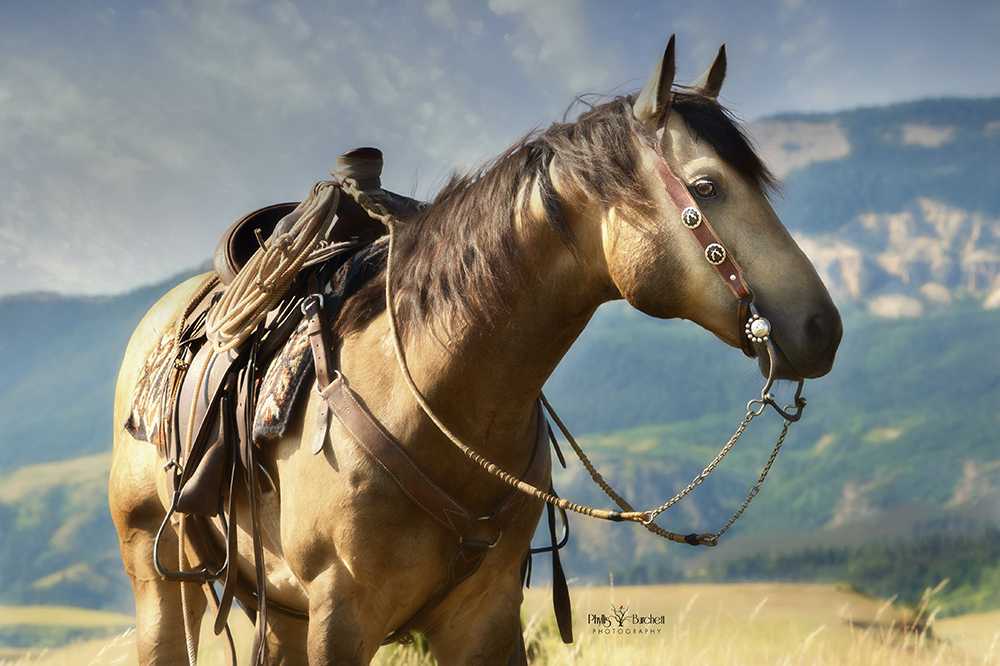
Another part of telling an authentic equine story is getting the details right.
If you’re photographing a Western horse, understand the tack, equipment, and clothing that belong in that setting. If you’re creating a traditional ranch-inspired session, take the time to learn what would actually be used on a working ranch. Make sure the saddle, bridle, and other equipment are appropriate, properly fitted, and used correctly. Pay attention to the rider’s clothing, too.
An English bridle and handler in Western attire, ill-fitting tack, or incorrectly used equipment can pull an otherwise beautiful photograph out of its intended context. Those details might not matter to every viewer, but they certainly matter to people who know horses and understand the culture you’re trying to represent.
And if you’re photographing a discipline or tradition you’re unfamiliar with, ask questions. Find someone knowledgeable who can help you get it right. You don’t have to know everything, but you should be willing to learn.
The same goes for posing. Just because something looks dramatic or makes for a striking composition doesn’t mean it’s appropriate for every horse. Equipment and positioning should make sense for the horse, the rider, and the intended activity. Never sacrifice the horse’s comfort or safety to create a particular look.
Before you share that image, ask yourself a few questions.
-
Does the horse appear comfortable and reasonably relaxed in the context of what is happening?
-
If the horse is showing signs of discomfort, have I stopped to understand what might be causing them?
-
Is the tack appropriate, correctly fitted, and being used properly?
-
Do the clothing, equipment, and surroundings accurately represent the discipline or tradition I’m photographing?
-
Am I proud of what this image communicates to someone who knows nothing about the circumstances behind it?
-
Does this photograph reflect the kind of equine photographer I want to be?
These aren’t questions meant to make us afraid to photograph horses. They’re reminders to be observant, thoughtful, and willing to keep learning.
We all make mistakes. We all have things we can learn, and sometimes we don’t recognize a problem until someone with more experience points it out. The important thing is how we respond.
For those of us photographing the Western and ranching lifestyle, I believe this responsibility carries particular weight. We’re documenting our way of life, preserving traditions, and introducing people to a world they may never experience firsthand. Let’s make sure we’re representing that world honestly and respectfully.
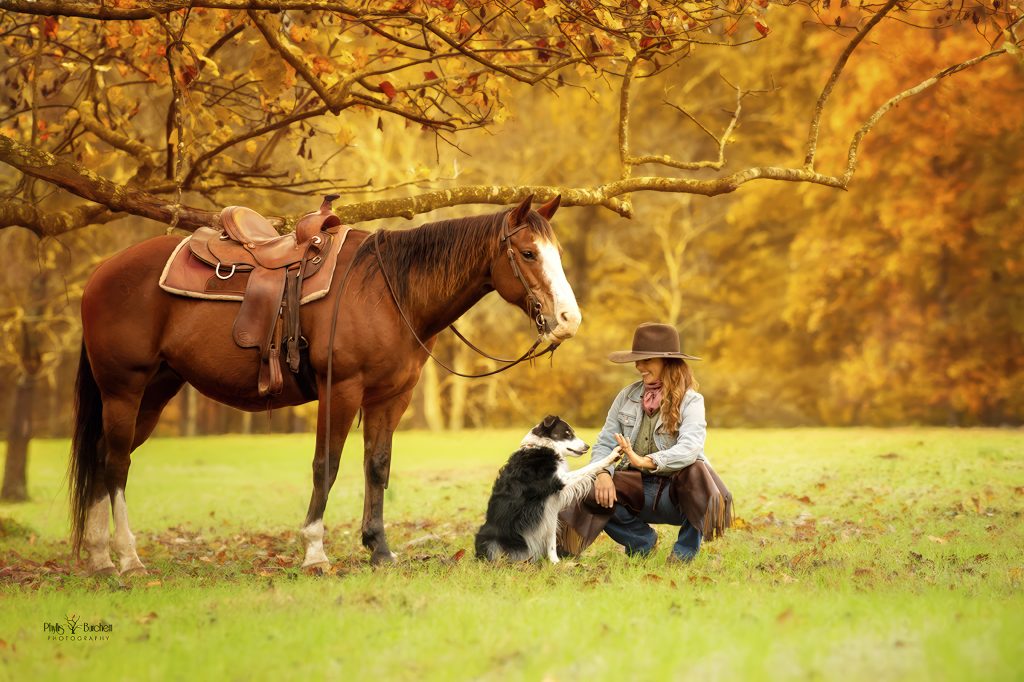
Because at the end of the day, the goal isn’t just to create a photograph people admire. It’s to create one we can stand behind, one that respects the horse, honors the people involved, and tells the story the way it deserves to be told.
-
Learn to read equine body language – Photographers don’t need to be equine behavior experts, but they should understand basic signs of tension, discomfort, and stress.
-
Authenticity is part of the craft – This especially matters in Western photography; an understanding of ranch traditions separates an informed image from a costume-inspired setup. Authenticity isn’t just about aesthetics; equipment must also be appropriate and safe.
-
Be willing to put the camera down – The photographer is part of the session, not merely an observer. If something seems wrong, speak up respectfully, pause the shoot, and involve the handler or an appropriate equine professional.
Observe, ask questions, and act responsibly. A single expression or movement doesn’t establish mistreatment, but a photographer who notices potential distress should never ignore it just to finish the session.
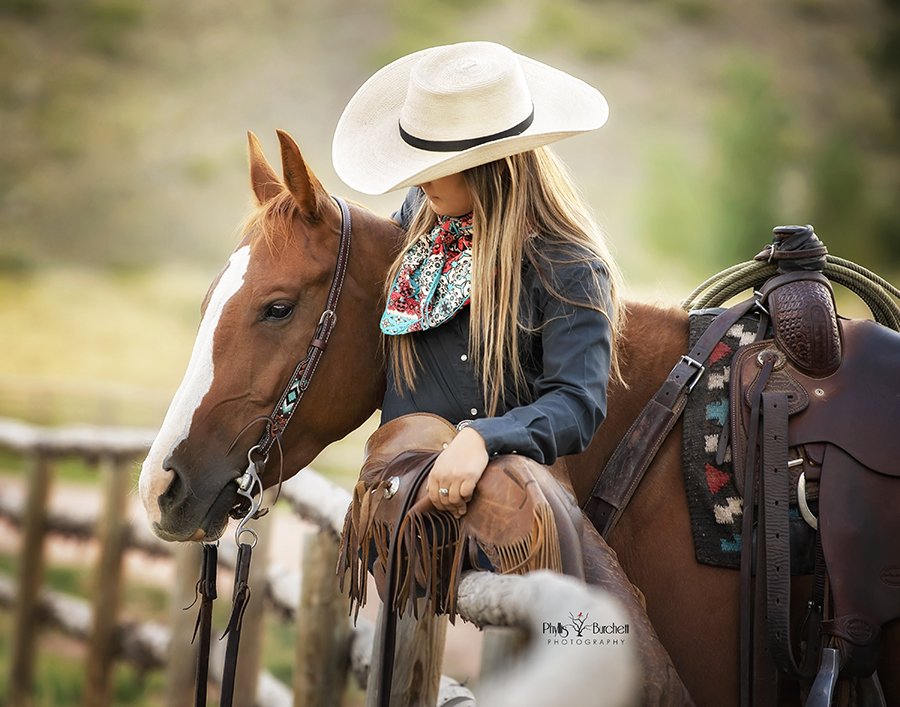
Until next time, keep shooting, keep learning, and most importantly, keep telling your stories through the lens.